Current Projects
2026 Project: Livestock
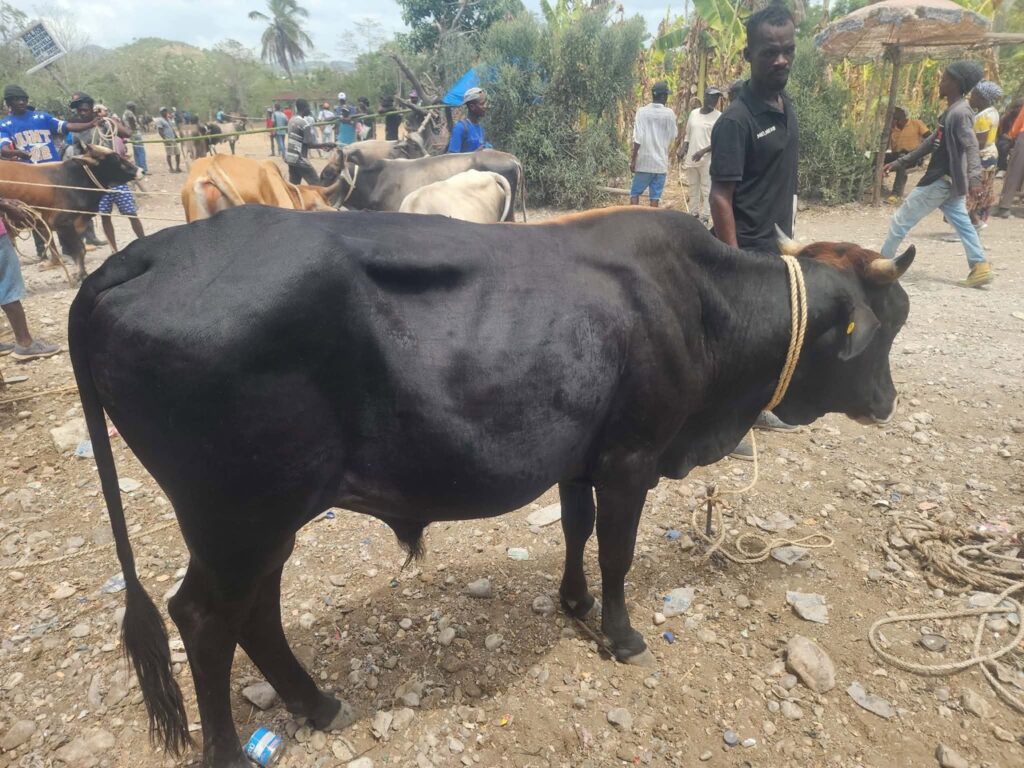
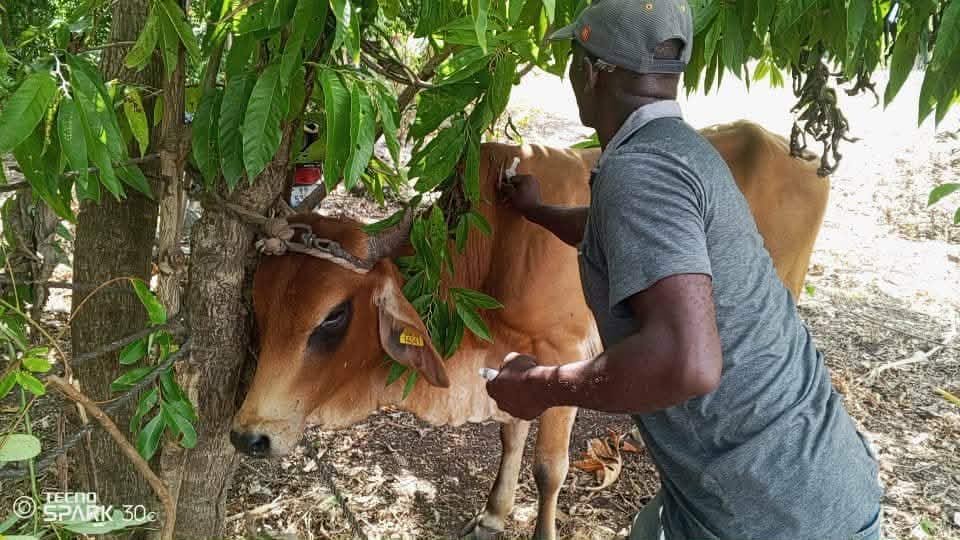
Announcing the launch of a NEW agriculture project. A co-op livestock program that the Haitian team H4H has helped financially since 2013, Planting for Hope and Future (PHF), has studied for over seven months. It is a program that includes five local farmers who have been contracted to care for five bulls, purchased by PHF, on the farmers own land to feed and build their strength and health. A veterinarian went to auction and helped to select the bulls, and will be periodically visiting the farms to inspect their weight management and give vitamins and vaccine to increase their health.
As the bulls gain weight and strength, the plan is to sell them at next year’s auction. Over time, we will also purchase heifers to increase the livestock population. It has been an exciting time for PHF, as they went to the auction and learned so much about caring for the animals. Animal husbandry has proven to be a way to help lift families out of poverty in Haiti. PHF sees this as a way to increase revenue more quickly while working toward its goal of self-sustainability. This new project brings new income, new agronomy learning, helps others pay for their children’s school, and sparks new interest! Follow us and see how this project develops!
2025 Project: Hoop House
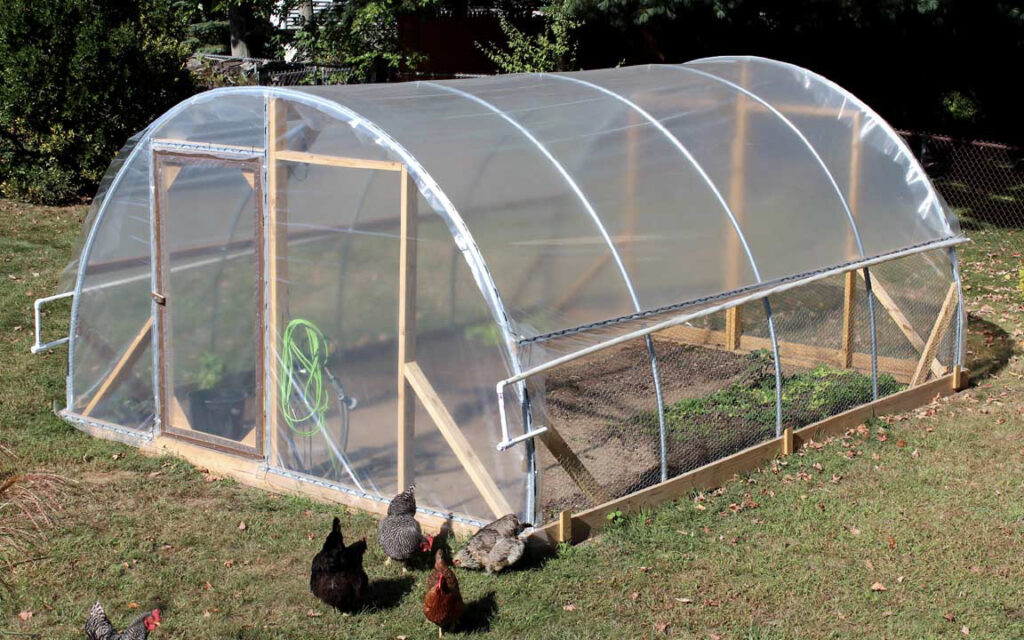
Harvesting 4 Haiti Foundation is now raising money to build a protected greenhouse called a hoop house for the Planting for Hope and Future farms. The hoop house is necessary for many reasons, explained here by our H4H Board Member, Gordon Clark, horticulturist, who has helped farms all over the world, particularly in Africa and Haiti, become healthy, working farms.
Protecting the Crops and Importance of Pigeon Peas
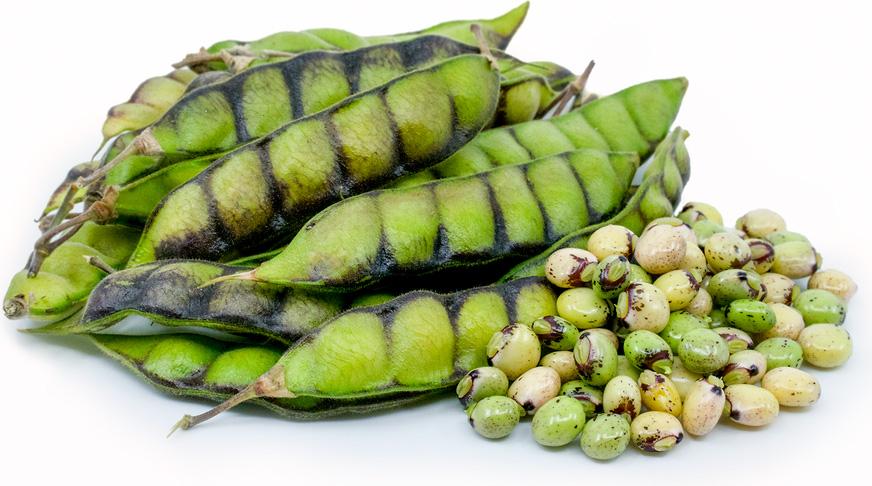
Pigeon peas are an important protein crop in Haiti. In 2021, Haiti was ranked tenth in the world for the production of pigeon peas with 6000 metric tons. But this high-value crop grown by farmers and in home gardens is in trouble. Information from the World Food Program notes that Haiti has one of the highest levels of food insecurity in the world. Nearly half of the population does not have enough to eat. A serious wilt disease has been found in pigeon peas. The only control is growing a variety that is resistant to the disease. Unfortunately, this variety has not been available to Haitians.
More About the Disease
This wilt disease is found in the soil and carried over to the seed, which means the plant is infected either from the planted seed or is taken up from the soil. Crop rotation doesn’t help, as the disease can stay in the soil for at least 5 years. What’s the Solution? Importing seeds for resistant varieties and growing those varieties to distribute within Haiti.
How Can This Happen?
H4H has acquired some disease-resistant seed through a missionary based in SW Haiti. The missionary has supplied the seed to Planting for Hope and Future team in Les Cayes, where the PHF farms are located. The next step is to grow the plants and collect the seed.
Why The Need for a Hoop House
A Hoop House, which is a protected greenhouse, will keep the seeds pure and will not allow any cross-pollination by bees with the native seeds. The new variety of plants will need to be planted in a hoop house covered with screening to prevent bees from pollinating, thereby protecting the new plants from contamination. PHF will hand pollinate the flowers to produce a crop of wilt-resistant seeds.
And The Result Will Be:
With the distribution of the pure resistant seed, people will be able to successfully grow pigeon peas like farmers in Africa and Asia.